
If you haven’t looked at Usenet in years you are not alone. A lot of people think it quietly died off sometime in the 90s and never gave it another thought. It didn’t die, it just got quieter and a lot better while nobody was watching. We have been reviewing Usenet providers for a long time and the service you can sign up for today is faster, easier to use and holds on to far more than it used to. Here are seven things people actually use it for in 2026.

1. Massive Digital Archives
Retention is the number of days a provider keeps articles sitting on its servers, and the good ones now go back well past 5,000 days. That is more than fourteen years of posts waiting there for you. If you are a researcher or a collector, or you are just trying to track down something that disappeared off the rest of the web years ago, there is really nothing else like it.
To put that in perspective, a provider holding 5,000 days of retention still has posts from back when smartphones were new. Nothing gets deleted to make room. If you want the detail on how that works and why the number keeps climbing, we go through it on our Usenet retention page. And if you only need to dig something out now and then rather than download every month, a block account is usually the cheaper way to pay for it.

2. Browser-Based Access
This is the part that surprises people the most. You don’t have to install anything. Easynews lets you log in through your web browser and search from there, the same way you would use any other website. For years the biggest thing putting new people off Usenet was having to set up a newsreader and type server settings into it, and browser access gets rid of all of that. If you are new to this, it is the easiest place to start.
It is worth being clear about what that actually means day to day. You open a browser tab, log in, type what you are after, and get results you can preview or download right there. No ports, no SSL settings, no server addresses to copy off a support page. We walk through the whole thing in our Easynews review, and most providers will let you test it before you pay through a free Usenet trial.
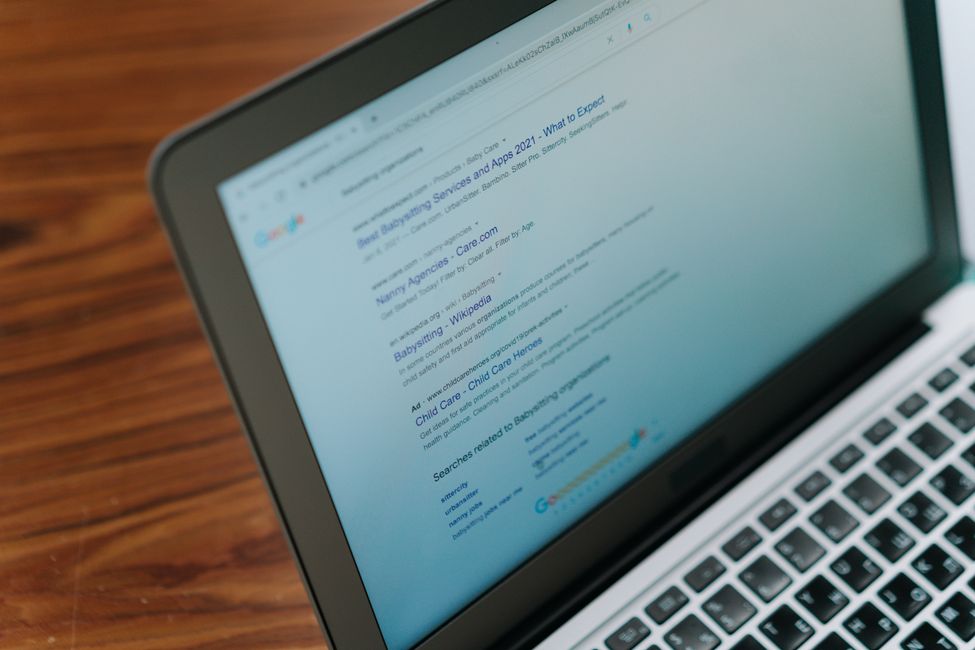
New to Usenet? Easynews is often the easiest place to start because it includes browser-based access and integrated search. Get started with Easynews →
3. Privacy and Security
Your connection to the news server is encrypted with SSL and your account is yours alone, so you are not sharing anything with anybody else while you download. That is a big part of why people stay with Usenet once they try it. If privacy is your main reason for being here, running a VPN alongside it is worth doing too.
The part people miss is that your provider can still see your connection even when nobody else can. That is normal and it is true of any service you log into, but if you want that covered too then a VPN sits underneath the whole thing and hides it from your internet provider as well. We go into the safety side properly in Is Usenet Safe?, and our current picks are on the best VPN service page.
4. Speed and Reliability
With Usenet you are pulling files straight off your provider’s servers, so your speed comes down to their hardware and your own connection and nothing else. There is nobody else who has to be online for your download to finish. Most people find they can max out their internet connection, and that is not something you can count on with much else.
What that means in practice is your speed stays flat. It doesn’t drop off in the evening because fewer people are sharing, and it doesn’t crawl because the thing you want is unpopular. Something posted ten years ago comes down just as fast as something posted this morning. UsenetServer and Newshosting are the two we point most people at when speed is what matters to them. If you would rather not read two more reviews first, UsenetServer is 12 months plus 3 free at $5.99 a month, and it carries a 30 day money-back guarantee if it turns out not to suit you.
5. Preserving Internet History
Usenet has been running since 1980 and a lot of that conversation is still sitting there. Decades of discussions, arguments, questions and answers going back to before the web even existed. If you are interested in how the internet actually grew up, it is a record you cannot get anywhere else.
There are newsgroups that have been running without a break for over forty years. You can go back and read people working out how the internet ought to function, arguing over standards we all now take for granted, and answering each other’s questions years before search engines existed. If that side of it interests you, we wrote up how Usenet began.
6. A Different Internet Experience
There is no algorithm on Usenet. Nothing decides what you see next, nothing gets promoted, and nobody is trying to keep you scrolling. You go to the newsgroup you want and you read it. After years of feeds picking what we all look at, this turns out to be the part a lot of people enjoy most.
It also means nothing disappears just because it stopped performing. A thread from 2006 is exactly as easy to reach as one from this week. Nobody is boosting it, nobody is burying it, and nobody is dropping ads into the middle of it. Once you have used it for a while, going back to a feed that reshuffles itself every time you refresh feels strange.
7. Easier Than Most People Think
Usenet used to have a reputation for being complicated and honestly it earned that reputation. It is not like that anymore. Providers now hand you the search engine, the newsreader and the setup instructions in one package, and some of them need no setup at all. If you tried Usenet years ago and gave up on it, it is worth another look.
If you do want a newsreader, the good ones now handle searching, downloading, repairing and unpacking on their own, and we compare them on our best newsreaders page. You can also search from a dedicated NZB site or a Usenet search engine and hand the file straight to your newsreader. If you get stuck anywhere along the way, our Usenet FAQ covers the questions we get asked most.
Easynews vs UsenetServer
These are the two we recommend most often and they suit different people, so here is how they compare.
Both of them sit on our full Usenet providers list along with everything else we rate, and if you are in Europe it is worth looking at the European providers instead, because a server closer to you usually means a better connection.
| Feature | Easynews | UsenetServer |
|---|---|---|
| Browser Access | Yes | No |
| Search Included | Yes | Limited |
| Beginner Friendly | Excellent | Good |
| Advanced Control | Good | Excellent |
| Speed | Excellent | Excellent |

Choose Easynews If:
- You want browser access
- You are new to Usenet
- You want integrated search
Choose UsenetServer If:
- You want maximum control
- You use a newsreader
- You want advanced features
How Usenet Works in 2026
It is simpler than it sounds. You sign up with a provider, then you either search straight from your browser or point a newsreader at their servers, and you download what you want directly from them. That is the whole thing.
The only part that trips people up is the difference between the provider and the search. Your provider is what gives you access to the servers. The search, whether that is built into your account or a separate NZB site, is how you find the thing you want on those servers. Some providers hand you both in one package, which is exactly why they are the easier place to start.


Frequently Asked Questions
Is Usenet still popular in 2026?
Yes. It is not as loud about it as it used to be, but millions of people still use it and the providers are still spending money on bigger and faster servers.
Is Usenet legal?
Yes. Usenet is just a way of passing messages and files between servers, the same as email or the web. What you personally choose to download is a separate question and that part is on you. Every provider we list runs a legitimate, paid service and has done for years, and plenty of universities and businesses have used Usenet the whole time.
Is Easynews good for beginners?
It is the easiest starting point we know of. You log in through your browser and search, so there is nothing to install and nothing to set up.
Is UsenetServer unlimited?
Their unlimited plans give you unlimited downloads with no monthly cap. Plans and pricing do change so check the current offer, but unlimited access and very long retention are what they are known for. There are no speed caps either, so what you get is limited by your own connection rather than by them throttling you at busy times.
Do I need software?
Not if you go with Easynews, because everything happens in your browser. If you would rather use a newsreader you can, and most providers include one free with your account.
Can I use Usenet on my phone?
Yes. Browser access works on a phone the same as it does on a laptop, and there are newsreader apps if you would rather have one. Downloading big files to a phone is rarely what you want, but for searching and reading it works perfectly well.
What is retention?
Retention is how many days a provider keeps articles on its servers before they drop off. Higher retention means you can still find older material, which is why it is the first number people compare. It is also the number that separates the serious providers from the cheap ones, because keeping years of articles online costs real money in storage.
Why do people still use Usenet?
Privacy, speed, retention, and no algorithm. You are downloading straight from a server you pay for, over an encrypted connection, and nothing is deciding what you get to see.
Is Usenet faster than many alternatives?
Usually yes. Your download comes straight off your provider’s servers so it is not waiting on anybody else, and most people find they can use their full connection speed.
Which provider is best?
It depends what you want out of it. If you want simple, go with Easynews. If you want control and a proper newsreader, go with UsenetServer. We rate both and you won’t go wrong with either. If you are still not sure, take a free trial on both and keep whichever one you find yourself actually using.
Final Thoughts
The surprising thing about Usenet in 2026 is not that it is still here. It is that it quietly got better while everyone assumed it was gone. If you want privacy, real speed, a serious archive and an internet that isn’t deciding what you look at, it is still very much worth your time.
If you are going to try it, start simple. Take a trial, search for something you actually want, and see how it feels before you start thinking about newsreaders and automation. Most people who bounce off Usenet do it because they tried to set everything up at once on the first evening.